Godan Verbs
with Pitch Accent

Japanese has four pitch accent patterns: flat (平板型), head-high (頭高型), middle-high (中高型), and tail-high (尾高型). Words with the same reading can have different meanings depending on their pitch accent.

Search by row

Japanese has four pitch accent patterns: flat (平板型), head-high (頭高型), middle-high (中高型), and tail-high (尾高型). Words with the same reading can have different meanings depending on their pitch accent. For example, 「買う」 (かう, “buy”) and 「飼う」 (か\う, “have as a pet”) have the same reading but different pitch accents.

あ行

行く いく
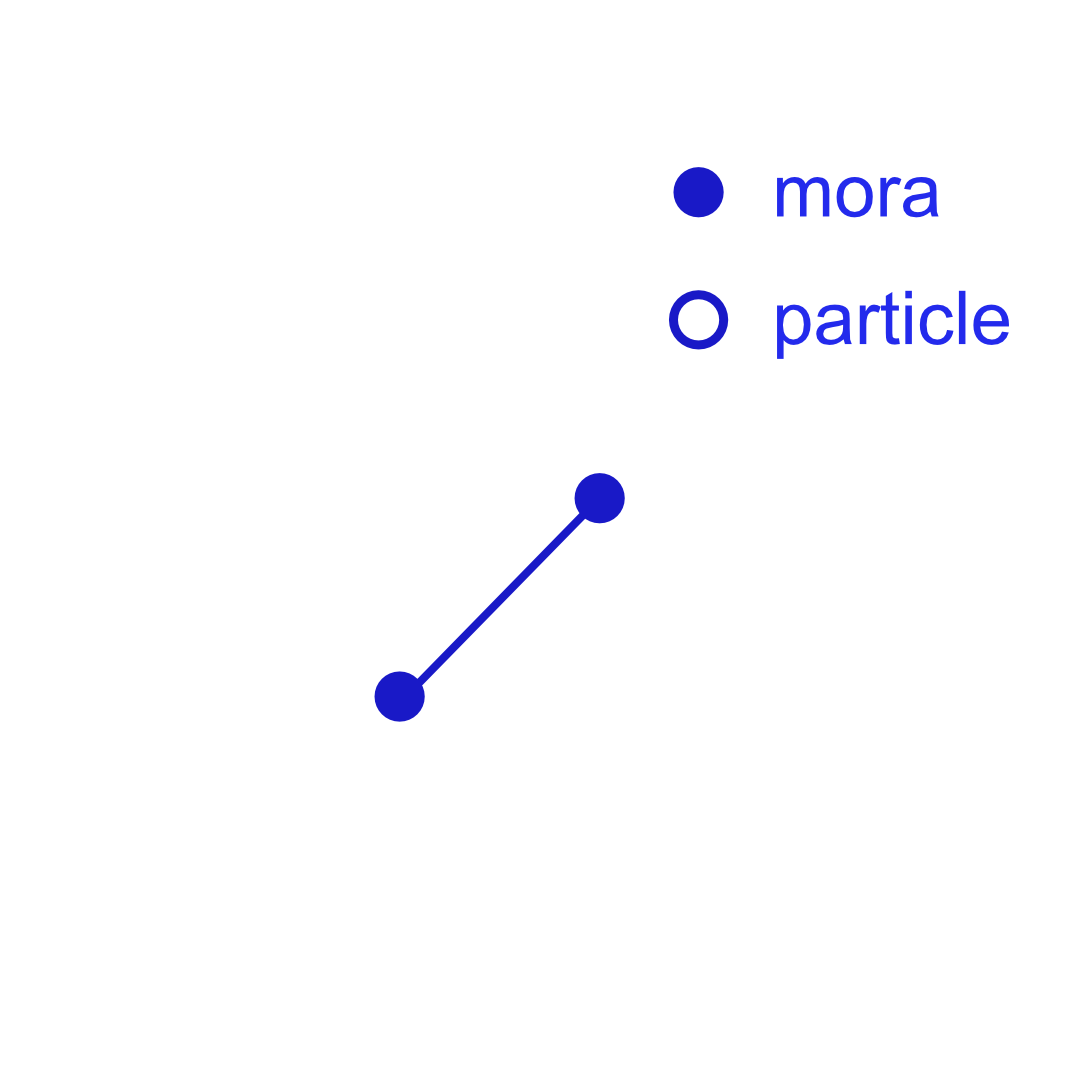
PitchAccent

Pitch accent : いく ikú

English : go

Chinese : 去 qù

Korean : 가다 (gada)

Taiwanese : 去(qù)

Thai : ไป (pai)

Lao : ໄປ (pai)

Vietnamese : đi

Indonesian : pergi

Burmese : သွားသည် (thwa thi)

Example

Due to a scheduling conflict, I won’t be able to go to the client meeting on Thursday.

スケジュールの重複のため、木曜日の顧客との会議には行けません。

売る うる

PitchAccent

Pitch accent : うる urú

English : sell

Chinese : 卖 (mài)

Korean : 팔다 (palda)

Taiwanese : 賣(mài)

Thai : ขาย (khǎai)

Lao : ຂາຍ (khaai)

Vietnamese : bán

Indonesian : menjual

Burmese : ရောင်းသည် (yaung thi)

Example

He tried to sell the idea to upper management, but they weren’t convinced.

彼はそのアイデアを経営陣に売り込もうとしましたが、納得してもらえませんでした。

か行

買う かう

PitchAccent

Pitch accent : かう kaú

English : buy

Chinese : 买 (mǎi)

Korean : 사다 (sada)

Taiwanese : 買(mǎi)

Thai : ซื้อ (súe)

Lao : ຊື້ (sue)

Vietnamese : mua

Indonesian : membeli

Burmese : ဝယ်သည် (we thi)

Example

We usually buy office supplies in bulk to reduce costs.

コスト削減のために、通常は事務用品をまとめ買いしています。

Our company decided not to buy the property due to high maintenance costs.

維持費が高いため、当社はその物件を買わないことに決めました。

飼う かう
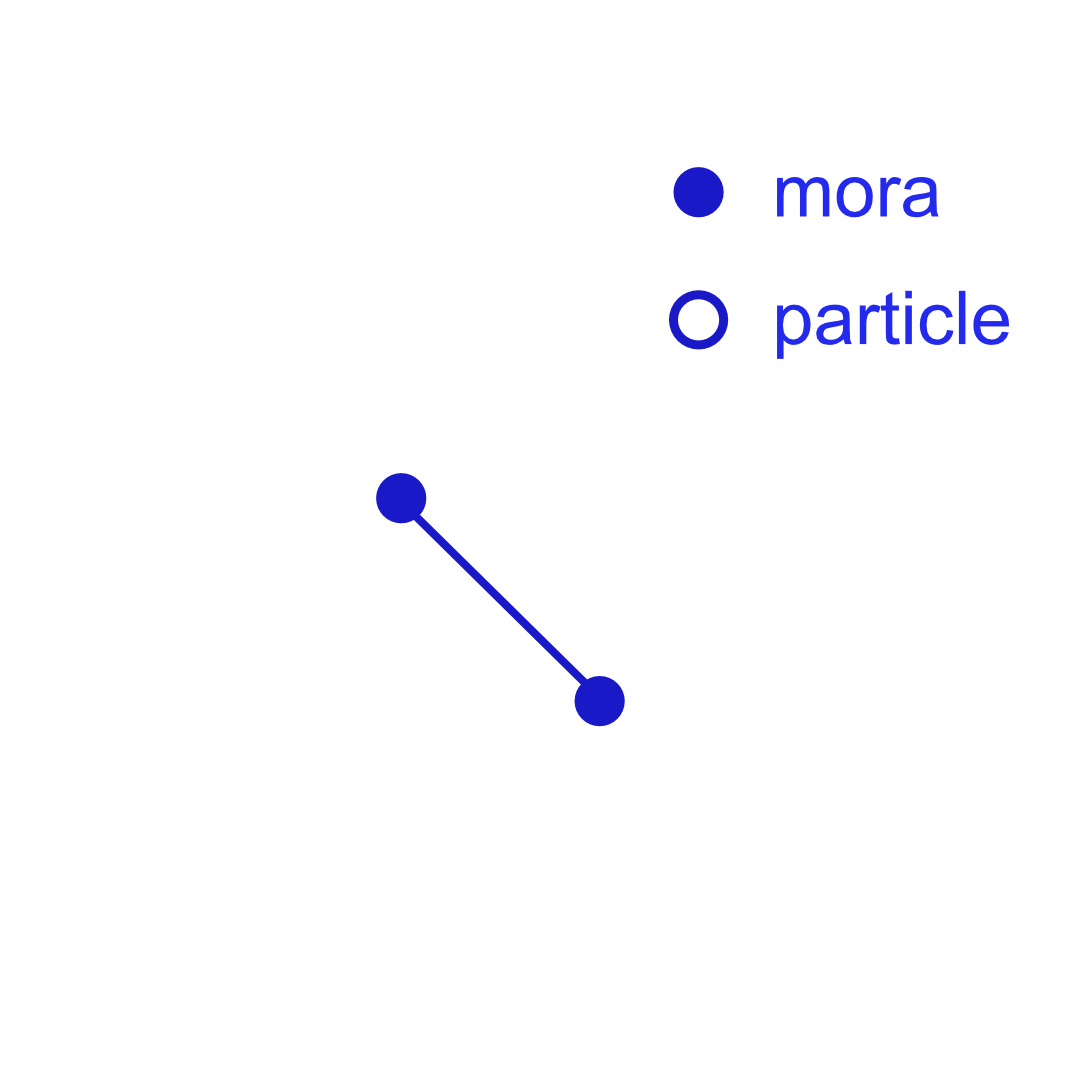
PitchAccent

Pitch accent : か\う ká\u

English : have as a pet

Chinese : 养 (yǎng)

Korean : 키우다 (kiuda)

Taiwanese : 養(yǎng)

Thai : เลี้ยง (líang)

Lao : ລ້ຽງ (liang)

Vietnamese : nuôi

Indonesian : memelihara (hewan)

Burmese : မွေးမြူသည် (mway-myu thi)

Example

The rental agreement clearly states that tenants are not allowed to have pets.

賃貸契約には、入居者がペットを飼うことは禁止されているとはっきり書かれています。

書く かく

PitchAccent

Pitch accent : HL か\く ká\ku

English : write

Chinese : 写 (xiě)

Korean : 쓰다 (sseuda)

Taiwanese : 寫(xiě)

Thai : เขียน (khǐan)

Lao : ຂຽນ (khian)

Vietnamese : viết

Indonesian : menulis

Burmese : ရေးသည် (yay thi)

Example

The marketing team was instructed to write a comprehensive proposal outlining the objectives and projected outcomes of the campaign.

マーケティングチームは、キャンペーンの目的と予測される成果を詳述した包括的な提案書を書くよう指示されました。

All employees are encouraged to write formal reports summarizing their departmental activities on a quarterly basis.

全従業員は、自部署の活動を四半期ごとに要約した正式な報告書を書くことが推奨されています。

貸す かす

PitchAccent

Pitch accent : かす kasú

English : lend / loan / lease

Chinese : 借出(jiè chū) / 借给(jiè gěi)

Korean : 빌려주다 (billyeojuda)

Taiwanese : 借出(jiè chū) / 借給(jiè gěi) / 出租(chū zū)

Thai : ให้ยืม (hâi yuem) / ให้เช่า (hâi châo)

Lao : ໃຫ້ຢືມ (hai yuem) / ໃຫ້ເຊົ່າ (hai sao)

Vietnamese : cho mượn

Indonesian : meminjamkan / menyewakan

Burmese : ချေးပေးသည် (chay-pay thi) / ငှားပေးသည် (hnga-pay thi)

Example

The company agreed to lend the equipment to the research team for a trial period of three months.

その会社は研究チームに機材を3か月間の試用期間として貸すことに同意しました。

Employees are not allowed to lend company property without prior approval from a supervisor.

従業員は、上司の事前承認なしに会社の物品を貸すことは許可されていません。

気付く きづく
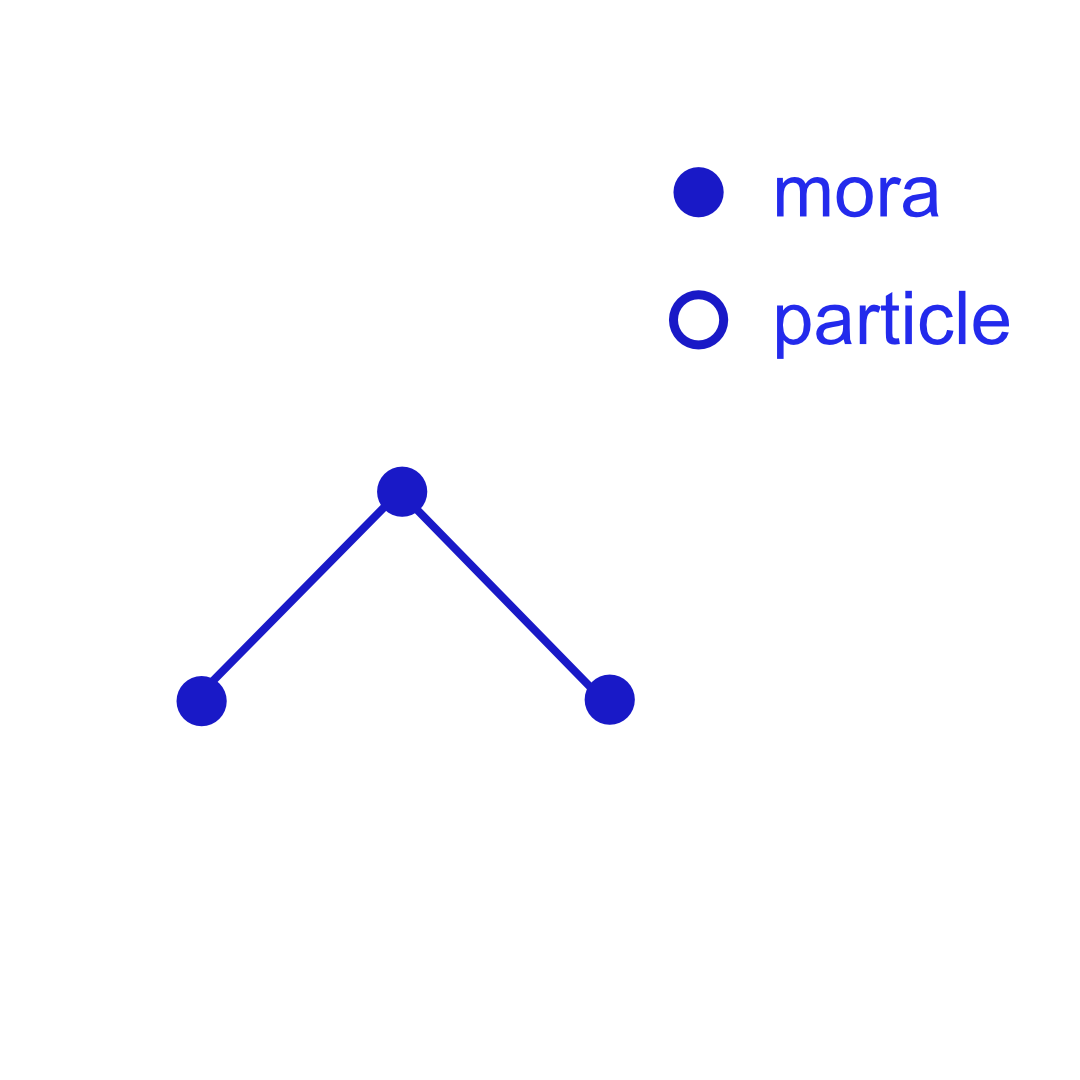
PitchAccent

Pitch accent : LHL きづ\く kizú\ku

English : notice / realize

Chinese : 注意到 (zhùyì dào) / 意识到 (yìshí dào)

Korean : 알아차리다 (aracharida)

Taiwanese : 注意到(zhù yì dào) / 意識到(yì shì dào)

Thai : สังเกตเห็น (sǎng-kèet hěn) / ตระหนัก (tra-nàk)

Lao : ສັງເກດເຫັນ (sang-keet hen)

Vietnamese : nhận ra / để ý

Indonesian : menyadari / memperhatikan

Burmese : သတိပြုမိသည် (tha-ti-pyu-mi thi)

Example

He quickly recognized the importance of addressing the customer complaints in a timely manner.

彼は顧客からの苦情に迅速に対応することの重要性にすぐ気づきました。

Upon reviewing the report, the manager noticed several discrepancies in the financial data.

報告書を見直した際、マネージャーはいくつかの財務データの不一致に気づきました。

消す けす

PitchAccent

Pitch accent : けす kesú

English : turn off (light) / erase / delete / extinguish (fire)

Chinese : 关(guān) / 擦掉(cā diào)

Korean : 끄다 (kkeuda) / 지우다 (jiuda)

Taiwanese : 關掉(guān diào) / 擦掉(cā diào) / 刪除(shān chú) / 撲滅(pū miè)

Thai : ปิด (pìt) / ลบ (lóp) / ดับ (dàp)

Lao : ປິດ (pit) / ລຶບ (luep) / ມອດ (mot)

Vietnamese : tắt (đèn đi)

Indonesian : mematikan / menghapus / memadamkan

Burmese : ပိတ်သည် (peik thi) / ဖျက်သည် (phyet thi) / မီးငြှိမ်းသည် (mi-hnyein thi)

Example

All outdated items must be removed from the inventory system by the end of the month.

月末までに、すべての古くなった品目を在庫システムから削除しなければなりません。

困る こまる

PitchAccent

Pitch accent : こまる LHL komá\ru

English : be in trouble / be at a loss / have difficulty

Chinese : 困扰(kùn rǎo) / 为难(wéi nán) / 麻烦(má fan)

Korean : 곤란하다 (gollanhada)

Taiwanese : 感到困擾(gǎn dào kùn rǎo) / 為難(wéi nán)

Thai : เดือดร้อน (dùeat-róon) / ลำบาก (lam-bàak)

Lao : ລຳບາກ (lam-baak) / ເດືອດຮ້ອນ (dueat-hon)

Vietnamese : khó khăn

Indonesian : berada dalam kesulitan

Burmese : အခက်အခဲရှိသည် (a-khet-a-khe shi thi)

Example

We struggled with aligning the software features to meet the client's specific needs.

ソフトウェアの機能を顧客の具体的なニーズに合わせるのに苦労しました。

The client was clearly inconvenienced by the repeated delivery delays.

顧客は度重なる納品遅延に明らかに困っていました。

Back to Japanese learning